java constants class best practices
An enum type is a special data type that enables for a variable to be a set of predefined constants. Add a final attribute to class to restrict inheritance.
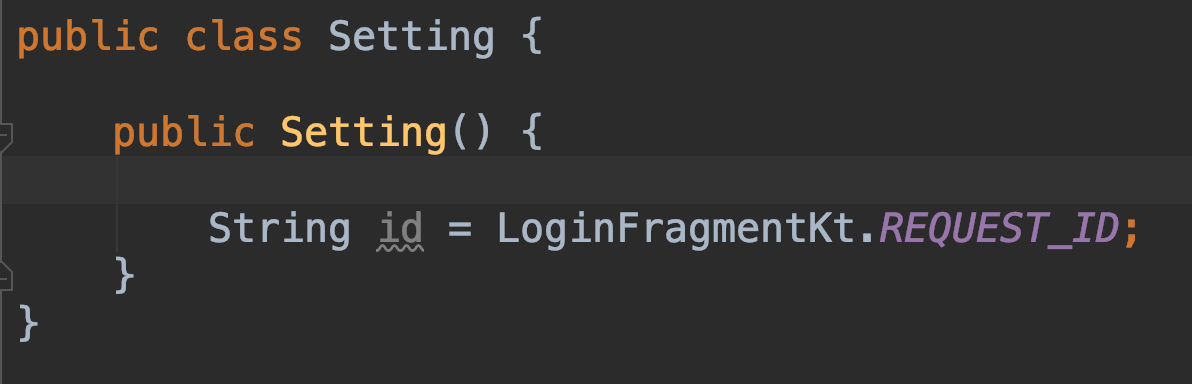
Kotlin Constants The Right Way By Pinakin Kansara Medium
Numerical constants literals should not be coded directly except for -1 0 and 1 which can appear in a for loop as counter values.
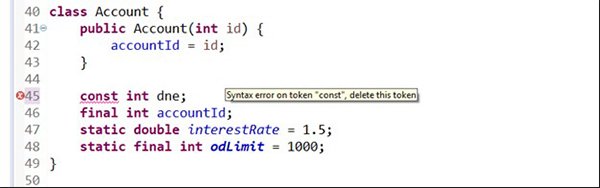
. I create a constant class by looking at some of the best practices described here in stackoverflow. Many of those have a single Constant class with variables. Constants are usually defined in upper cases as a rule atleast in Java.
Java Enums and Annotations Best Practices 1. By default each variable in the interface is public static final and you cant. Constant class structure is among best practices.
Add a private no-args constructor to forbid new instance creation. A Make all letters in constant variable Captial Letters. Class Members should be private.
Do not use Interfaces for constants. Java doesnt have built-in support for constants. Some of the answers suggested creating separate Contant Classes.
The way I create a constant class is by naming it Parameters and creating classes ie. Static final datatype identifier_namevalue. If the name contains multiple words it should be separated by an underscore_ such as DAYS_IN_MONTH.
Defining a Java Constant Variable in previous sections we have seen how static and final works. The static import feature should always be considered as a replacement for this practice. All fields in the interface are constants.
Since the caller will never need to create a Consts object a private constructor is used to enforce that policy. Using Underscores in Numeric Literals. The way I create a constant class is by naming it Parameters and creating classes ie.
This is only a minor advantage. Public const string CountryId CI. The data sent to the logger by the application are constant values inserted into the map object not arbitrary user input.
Public final String SECURITY_TOKEN. The syntax to declare a constant is as follows. This chapter describes Java language best practices.
An example is the String and StringBuffer class in Java. The members of such a constants class are excellent candidates for a static import. The following are the guidelines and best practices to create constants in java.
In addition a constant is cached by the JVM as well as our application so using a constant can improve performance. For example price is a variable that we want to make constant. Its also possible to use an.
Many of those have a single Constant class with variables. Java constants definition examples and best practices. Let us look into some examples for Java constants constants definition and their best practices in this article.
Interface for constants. The double is the data type and PRICE is the identifier name in which the value 43278 is assigned. Static final double PRICE43278.
What are the problems when using them individually. Very often I meet projects with large constant utility classes. Where static and final are the non-access modifiers.
Heres the list of 10 best practices introduced in this article. The caller refers to these constants using static references such as ConstsEMPTY_STRING ConstsSUCCESS and so on. Compare Two String by equals Method Instead Operator.
Constants make a program more readable and can take the modifiers static and final. Thanks to Joshua Bloch Author of Effective Java providing such great best practices and tips to enhance our knowledge. Some of the answers suggested creating separate Contact Classes.
A Java constant is used to represent a value that cannot be changed after the assignment. Its possible to place widely used constants in an interface. One can then use the constant in another class using ClassNameCONSTANT_NAME.
Defining Constants in Java Interface. In my previous article we have discussed Java generics best practices. Take a look at the final class references.
So if I were to define a constant for the value of Pi π it would be. Create a constant class by looking at some of the best practices described here in stackoverflow. A constant can make our program more easily read and understood by others.
Use enums instead of int constants. This is only a minor advantage. A constant is a variable whose value cannot change once it has been assigned.
The most common way to define a constant is in a class and using public static final. According to the Java naming convention the identifier name must be in capital letters. The best practice of defining constants class in Java is.
If a class implements such an interface then the class can refer to those constants without a qualifying class name. Ordering Class Members by Scopes. In the case described in Fig 2 the data that is logged is a result of a map API call and the user input is just a key to that map.

Define Constants In Interface Or Class Read To Rakesh Prajapati
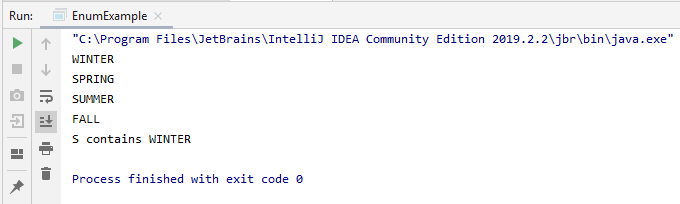
What Is A Constant In Java And How To Declare It Edureka
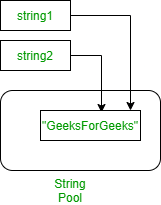
Java String Literals As Constants Or Singletons Geeksforgeeks
Here S Why The Const Keyword In Java Is Not Implemented

Cheat Sheet All Cheat Sheets In One Page Learn Computer Coding Computer Programming Languages Web Development Programming

Fast Mathematical Expressions Parser Mathematical Expression Expressions Syntactic
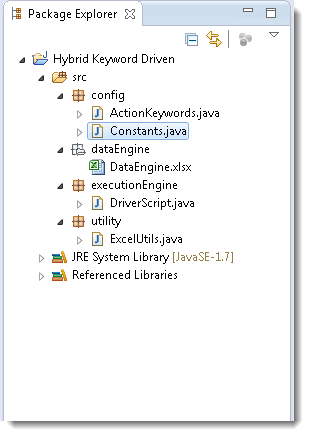
Set Up Java Constant Variables

What Is A Constant In Java And How To Declare It Edureka

Fixed Values In Java Final Constants And Immutable Codegym
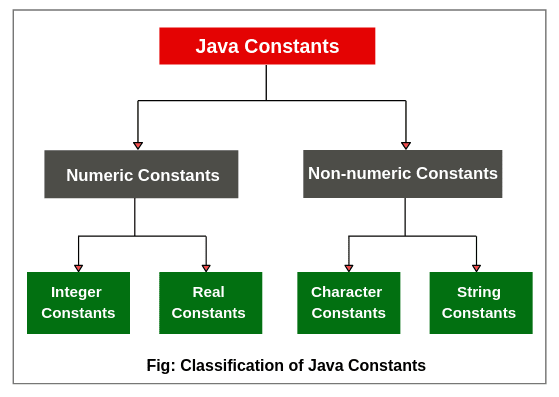
Constants In Java Types Example Scientech Easy

Encapsulation In C
Java Constants Using Class Interface Static Imports Veera Blog
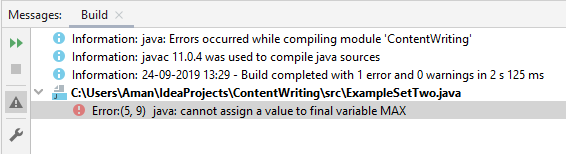
What Is A Constant In Java And How To Declare It Edureka

Java Constant Javatpoint

Define Constants In Interface Or Class Read To Rakesh Prajapati
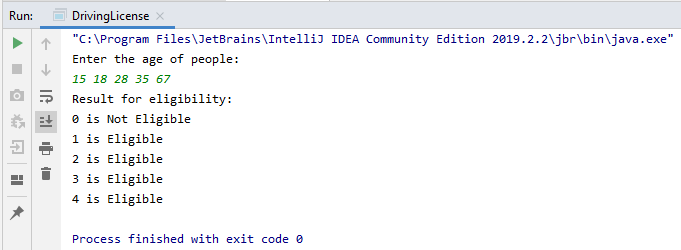
What Is A Constant In Java And How To Declare It Edureka
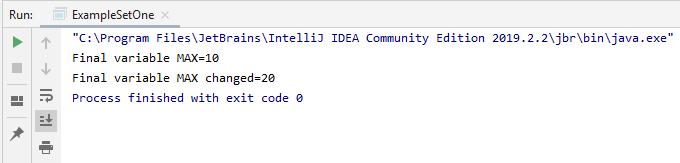
What Is A Constant In Java And How To Declare It Edureka

Java Naming Conventions Variables Constants Video Lesson Transcript Study Com

Android How Do I Define Constants In An Inner Class Stack Overflow